
In today’s digital landscape, cybersecurity is more important than ever. This guide on cybersecurity for beginners step by step will provide you with essential knowledge and practical tips to protect yourself and your information online. Let’s dive in and explore the key concepts and strategies to stay safe in the cyber world.
Introduction to Cybersecurity for Beginners
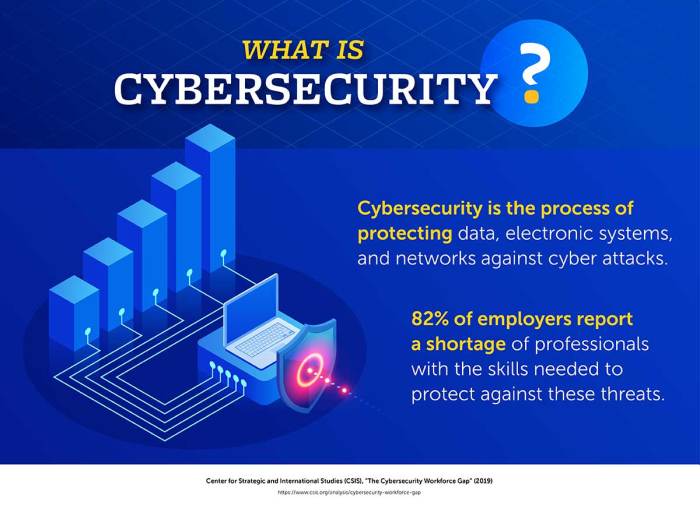
Cybersecurity is the practice of protecting systems, networks, and data from digital attacks. In today’s digital world, where almost everything is connected online, cybersecurity plays a crucial role in safeguarding personal information, financial data, intellectual property, and much more.
Importance of Cybersecurity
- Cybersecurity is essential for individuals to prevent identity theft, fraud, and privacy breaches.
- For organizations, cybersecurity is vital to protect sensitive information, maintain customer trust, and avoid financial losses due to data breaches.
- Without proper cybersecurity measures, both individuals and organizations are vulnerable to cyber threats such as malware, phishing attacks, ransomware, and more.
Basic Concepts and Principles of Cybersecurity
- Confidentiality:Ensuring that only authorized individuals have access to sensitive data.
- Integrity:Maintaining the accuracy and trustworthiness of data throughout its lifecycle.
- Availability:Ensuring that systems and data are accessible when needed and protected against downtime.
- Authentication:Verifying the identity of users and devices accessing the system.
- Authorization:Granting appropriate permissions and access rights to users based on their roles and responsibilities.
Fundamentals of Cybersecurity
Cybersecurity is essential in protecting sensitive information and preventing unauthorized access to systems and networks. As a beginner, it’s crucial to understand the common threats and attacks that can compromise security, as well as the best practices to mitigate these risks.
Common Cybersecurity Threats and Attacks
- Malware: Malicious software designed to infiltrate systems and steal data. This includes viruses, worms, trojans, ransomware, and spyware.
- Phishing: Deceptive emails or messages that trick users into revealing sensitive information or downloading malicious attachments.
- Man-in-the-Middle (MitM) Attacks: Hackers intercepting communication between two parties to eavesdrop or manipulate data.
- Denial of Service (DoS) Attacks: Overwhelming a system with traffic to disrupt normal operations and make services unavailable.
Types of Malware and Their Impact
Malware comes in various forms, each with its own method of compromising security:
- Virus:Infects files and spreads when those files are shared.
- Worm:Self-replicating malware that spreads across networks without user interaction.
- Trojan:Disguises itself as legitimate software to trick users into downloading and executing it.
- Ransomware:Encrypts files and demands payment for decryption.
- Spyware:Secretly monitors user activity and collects sensitive information.
Importance of Strong Passwords and Best Practices
Creating strong passwords is crucial in preventing unauthorized access to accounts and systems. Best practices include:
- Use complex passwords with a mix of letters, numbers, and special characters.
- Avoid using easily guessable information like birthdays or pet names.
- Enable multi-factor authentication for an added layer of security.
- Regularly update passwords and avoid using the same password for multiple accounts.
Steps to Enhance Cybersecurity
Securing your devices and online accounts is crucial in today’s digital age. Here are some step-by-step guidelines for beginners to enhance their cybersecurity:
Significance of Software Updates
Regularly updating your software is essential for cybersecurity. Software updates often contain patches for security vulnerabilities that hackers can exploit. Here’s why software updates are crucial:
- Updates fix security flaws and bugs that can be used by cybercriminals to gain access to your device or data.
- They add new security features that help protect against evolving threats.
- Updates ensure that your device is running smoothly and efficiently.
Recognizing Phishing Emails
Phishing emails are a common tactic used by cybercriminals to trick individuals into revealing sensitive information. Here are some tips to help you recognize phishing emails and avoid falling for scams:
- Check the sender’s email address for any discrepancies or spelling errors.
- Avoid clicking on suspicious links or downloading attachments from unknown sources.
- Look out for urgent language or threats that pressure you to act quickly.
- Verify the legitimacy of the email by contacting the company or organization directly through official channels.
Importance of Mobile App Development in Cybersecurity
Mobile app development plays a crucial role in enhancing cybersecurity measures by providing a secure platform for users to access sensitive information and conduct transactions. As more and more people rely on mobile devices for daily tasks, the security of these apps becomes paramount in protecting personal and financial data from cyber threats.
Security Considerations for Developers
- Implementing encryption techniques to secure data transmission and storage.
- Regularly updating the app to fix security vulnerabilities and bugs.
- Implementing multi-factor authentication to enhance user verification.
- Auditing third-party libraries and APIs for potential security risks.
- Testing the app for security loopholes through penetration testing and code reviews.
Impact of Secure Mobile Apps on Cybersecurity Practices
- Reduces the risk of data breaches and unauthorized access to sensitive information.
- Builds trust among users by ensuring their data is protected and secure.
- Enhances overall cybersecurity posture by creating a secure ecosystem for mobile devices.
- Mitigates financial and reputational damage that can result from a security incident.
Software Development Practices for Cybersecurity
Software development practices play a crucial role in ensuring the security of applications and systems. By following secure coding practices and implementing the right tools and techniques, developers can significantly reduce the risk of vulnerabilities that could be exploited by cyber attackers.
Significance of Secure Coding Practices
Secure coding practices are essential in preventing vulnerabilities in software applications. By adhering to secure coding standards, developers can eliminate common security flaws that could be exploited by hackers. Some of the key secure coding practices include input validation, output encoding, and proper error handling.
Tools and Techniques Used in Secure Software Development
- Static Code Analysis: Tools like Checkmarx and Fortify can scan source code for security vulnerabilities before deployment, helping developers identify and fix issues early in the development process.
- Dynamic Application Security Testing (DAST): DAST tools such as OWASP ZAP and Burp Suite can be used to test applications in runtime to identify vulnerabilities like injection flaws and cross-site scripting.
- Secure Development Lifecycle (SDL): Implementing a secure development lifecycle involves integrating security practices at every stage of the software development process, from design to testing and deployment.
- Secure Coding Guidelines: Following established coding guidelines like CERT Secure Coding Standards can help developers write code that is secure by design, reducing the likelihood of introducing vulnerabilities.
Mobile Technology and Its Implications on Cybersecurity
Mobile technology has revolutionized the way we communicate, work, and access information on the go. However, with the increasing use of mobile devices, there comes a heightened risk of cyber threats and vulnerabilities. In this section, we will explore the relationship between mobile technology advancements and cybersecurity challenges, discuss the vulnerabilities of mobile devices, and share best practices to enhance mobile technology security.
Mobile Devices Vulnerabilities and Mitigation
- Mobile devices are prone to various cyber threats such as malware, phishing attacks, and data breaches due to their constant connectivity to the internet.
- One way to mitigate these risks is by keeping your mobile operating system and apps updated regularly to patch any security vulnerabilities.
- Implementing strong authentication methods like biometric recognition or two-factor authentication can add an extra layer of security to your mobile device.
- Avoid downloading apps from third-party sources and only install applications from trusted app stores to reduce the risk of downloading malicious software.
Best Practices for Securing Mobile Technology
- Enable encryption on your mobile device to protect your data in case of theft or loss.
- Use a VPN (Virtual Private Network) when connecting to public Wi-Fi networks to encrypt your internet traffic and prevent unauthorized access to your data.
- Avoid clicking on suspicious links or downloading attachments from unknown sources to prevent malware infections.
- Regularly backup your data to a secure cloud storage or external drive to ensure you can recover your information in case of a security incident.
Web Development Best Practices for Cybersecurity
When it comes to ensuring secure web applications, web developers need to consider key factors such as encryption, authentication, and authorization. By implementing these practices, developers can enhance the security of their web applications and protect them against common cyber attacks like SQL injection and cross-site scripting.
Importance of Encryption, Authentication, and Authorization
Encryption plays a crucial role in securing data transmitted between users and the web application. By encrypting sensitive information, developers can prevent unauthorized access and ensure data confidentiality. Authentication verifies the identity of users accessing the application, while authorization controls the actions they can perform within the application.
Tips to Secure Web Applications Against Common Cyber Attacks
- Implement input validation: Validate all user input to prevent malicious code injection.
- Use parameterized queries: Use parameterized queries to protect against SQL injection attacks.
- Sanitize user input: Filter and sanitize user input to prevent cross-site scripting attacks.
- Keep software updated: Regularly update software and plugins to patch known vulnerabilities.
- Implement HTTPS: Use HTTPS to encrypt data transmitted between the user’s browser and the web server.
Networking Security in Cybersecurity
Networking security plays a crucial role in maintaining a secure digital environment. It involves implementing measures to protect the integrity, confidentiality, and availability of data transmitted over networks. By securing networks, organizations can prevent unauthorized access, data breaches, and other cyber threats.
Role of Firewalls, VPNs, and Intrusion Detection Systems
- Firewalls act as a barrier between a trusted internal network and untrusted external networks, monitoring and controlling incoming and outgoing network traffic based on predetermined security rules.
- Virtual Private Networks (VPNs) encrypt data transmitted over public networks, ensuring secure communication between remote users and corporate networks.
- Intrusion Detection Systems (IDS) monitor network traffic for suspicious activity or potential security breaches, alerting administrators to take action against unauthorized access.
Best Practices for Securing Networks
- Implement strong access controls, such as multi-factor authentication, to verify the identity of users accessing the network.
- Regularly update and patch network devices and software to address known vulnerabilities and strengthen overall security.
- Segment networks to isolate critical assets and limit the impact of a security incident on the entire network.
- Conduct regular security audits and penetration testing to identify and address weaknesses in network security defenses.
Impact of Gaming Hardware on Cybersecurity
Gaming hardware plays a significant role in the cybersecurity landscape, as it can introduce security risks and vulnerabilities that may compromise the overall security of a system. It is essential for gamers to be aware of these potential threats and take steps to mitigate them to ensure a safe gaming experience.
Risks and Vulnerabilities of Gaming Hardware
When it comes to gaming hardware, there are several ways in which security risks and vulnerabilities can arise:
- Outdated firmware: Gaming devices often run on firmware that can have security flaws. Without regular updates, these vulnerabilities can be exploited by cyber attackers.
- Malware injection: Malicious software can be injected into gaming hardware, compromising the integrity of the device and potentially leading to data breaches.
- Unauthorized access: Weak security measures on gaming hardware can make it easier for hackers to gain unauthorized access to personal information or gaming accounts.
Importance of Firmware Updates for Gaming Devices
Firmware updates are crucial for maintaining the security of gaming devices. These updates often contain patches to address known security vulnerabilities and improve overall system security. It is essential for gamers to regularly check for and install firmware updates to protect their devices from potential cyber threats.
Recommendations for Gamers to Enhance Cybersecurity
To enhance cybersecurity while enjoying their gaming experience, gamers can take the following steps:
- Enable two-factor authentication for gaming accounts to add an extra layer of security.
- Use strong, unique passwords for gaming accounts and change them regularly.
- Avoid downloading games or software from unofficial sources, as they may contain malware.
- Keep gaming devices and software up to date with the latest security patches and updates.
- Be cautious of online interactions while gaming and avoid sharing personal information with strangers.
Smart Technology and Its Security Challenges
Smart technology devices have become increasingly prevalent in the era of the Internet of Things (IoT), offering convenience and connectivity like never before. However, with this interconnectedness comes security challenges that individuals need to be aware of in order to protect their personal information and privacy.
Security Implications of Smart Technology Devices
- Smart devices collect and transmit data, making them potential targets for hackers looking to steal sensitive information.
- Vulnerabilities in the software of smart devices can be exploited to gain unauthorized access to networks or devices.
- Interconnected smart devices create a larger attack surface, increasing the risk of a breach if one device is compromised.
Potential Risks Associated with Interconnected Smart Devices
- Unauthorized access to smart home devices can lead to invasion of privacy, such as spying through cameras or listening through microphones.
- Ransomware attacks on smart devices can lock users out of their own devices until a ransom is paid.
- Distributed Denial of Service (DDoS) attacks can be launched using compromised smart devices to overwhelm networks and disrupt services.
Tips to Protect Smart Home Devices from Cyber Threats
- Change default passwords on smart devices to strong, unique passwords to prevent unauthorized access.
- Regularly update the firmware and software of smart devices to patch known vulnerabilities and enhance security.
- Secure your home Wi-Fi network with a strong password and encryption to prevent unauthorized access to connected devices.
- Disable unnecessary features on smart devices that may pose security risks, such as remote access or unnecessary data collection.
Last Word
As we wrap up our discussion on cybersecurity for beginners step by step, remember that taking proactive measures to secure your digital presence is crucial in the digital age. By following the steps and tips Artikeld in this guide, you can navigate the online world with confidence and peace of mind.
Stay safe and stay secure!
Questions Often Asked
What are the common cybersecurity threats beginners should be aware of?
Common cybersecurity threats include malware, phishing attacks, ransomware, and social engineering. It’s important to stay vigilant and educate yourself on these risks.
Why are software updates essential for cybersecurity?
Software updates often contain security patches that address known vulnerabilities. By keeping your software up to date, you can protect yourself from potential cyber threats.
How can individuals recognize phishing emails?
Phishing emails often contain suspicious links or requests for personal information. Be cautious of emails from unknown senders and verify the authenticity of any requests before providing sensitive information.


